
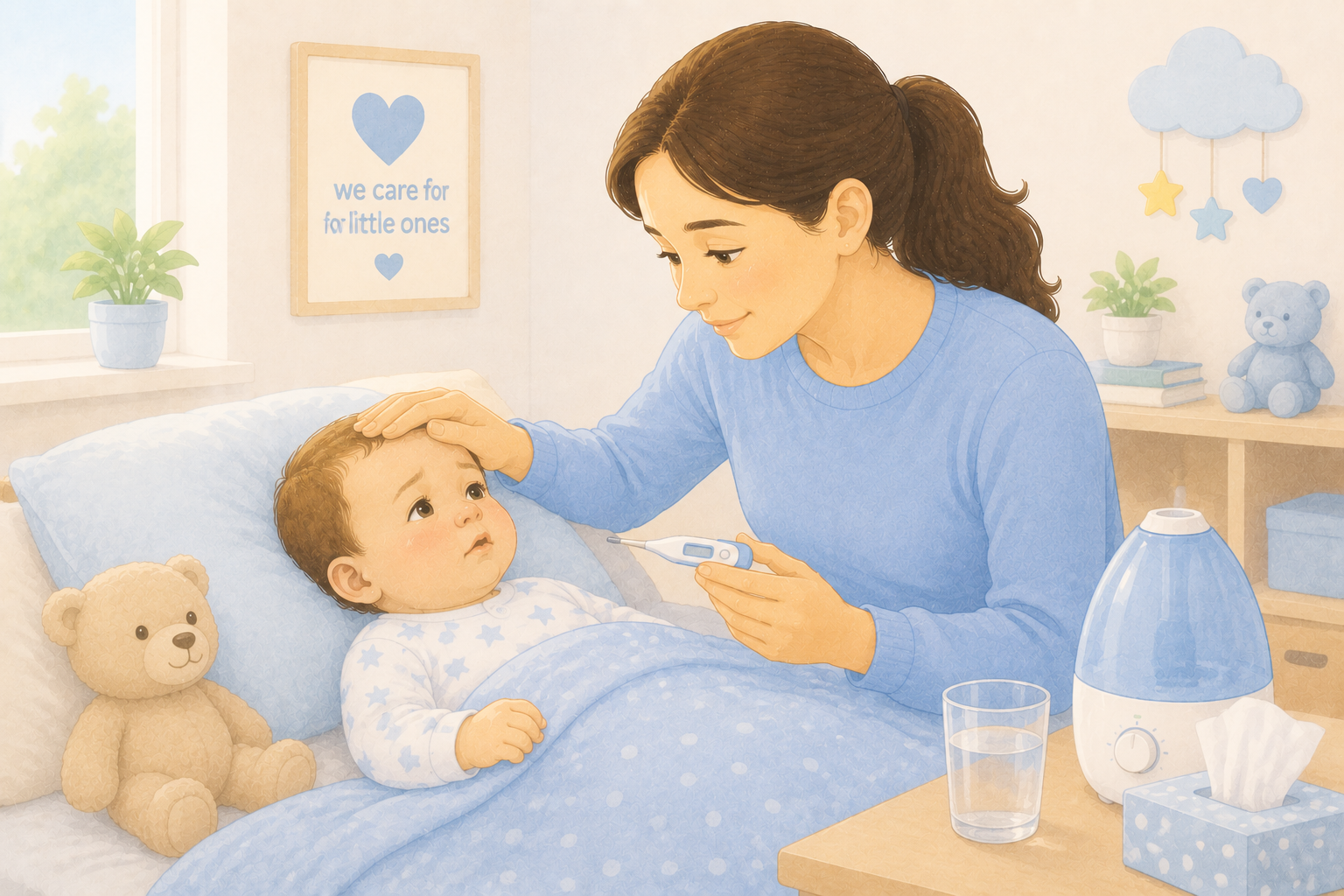
Babies bring a lot of joy and positive energy to the household, along with a complex set of responsibilities and worries. One of the most common concerns is knowing how high is too high when it comes to your baby's fever.
Fevers are a natural response to infections and illnesses, but they're also a significant source of anxiety for parents watching the thermometer climb. Our team at Garland Pediatric Practice in Garland, Texas, led by board-certified pediatrician Dr. Phani Bodavula, is happy to share some commonsense guidance on babies and fevers, and when to call the doctor.
Understanding average body temperature in babies
"Normal" body temperature isn't a single number. It can vary based on your child's age, the type of thermometer you use, or even the time of day.
A few things to keep in mind:
- Rectal and oral thermometers are more accurate than those measuring temperature in the armpit or across the forehead.
- The average body temperature generally ranges between 97°F and 100.4°F.
- A temperature above that range is usually considered a fever, which isn't always a bad thing.
In children, fevers are usually associated with infection, and mild temperature hikes indicate that the immune system is working to kill germs. Sometimes, though, a fever requires medical attention, especially in infants under 3 months or babies with other symptoms such as rash or lethargy.
Steps to take when your baby has a fever
For babies with a fever, Dr. Bodavula recommends the following steps.
1. Check the temperature
Use a reliable digital thermometer to measure your baby's temperature. Rectal thermometers are the most accurate and are recommended for infants and children up to 2 years.
- Follow the manufacturer's instructions for proper use.
- Record the readings and note when you checked the temperature for future reference.
If you schedule an appointment, Dr. Bodavula will want to know when the fever began and any other symptoms you may have noticed.
2. Call the doctor
If your baby is under 3 months and has a temperature of 100.4°F or higher, call the Garland Pediatric office immediately or seek urgent medical care. Fevers in infants often signal a serious infection that can become life-threatening if not treated quickly.
Also call the doctor if your baby is:
- Between 3 and 6 months and has a temperature of 102°F or higher
- Lethargic, irritable, or difficult to wake
- Exhibiting symptoms such as difficulty breathing, persistent vomiting, or rash
- Crying frequently or inconsolable
- Refusing to nurse or take a bottle, increasing the risk of dehydration
Otherwise, we encourage you to call the Garland Pediatric office whenever you're concerned about your child's health. Dr. Bodavula develops personalized care strategies based on your baby's age and specific symptoms.
3. Dress the baby appropriately
Dress your baby in lightweight clothing to help regulate their body temperature. Avoid heavy blankets or overdressing, which can trap heat and make the fever worse.
4. Offer fluids
Make sure your baby stays hydrated:
- Offer breast milk or formula more frequently than usual.
- If your baby has started eating solid foods, include hydrating options like fruit purees or electrolyte solutions (under the guidance of a health care professional).
5. Keep the environment comfortable
Avoid exposing your baby to extreme temperature shifts by maintaining a comfortable room environment, around 68-72°F.
6. Administer medication as directed
If your baby's fever is causing discomfort, ask Dr. Bodavula about age-appropriate, fever-reducing medicines such as acetaminophen (Children's Tylenol or others). Follow the recommended dosage carefully.
Never give an infant or toddler aspirin due to the increased risk of Reye's syndrome.
Key takeaways
- Average body temperature ranges between 97°F and 100.4°F; a reading above that is usually considered a fever.
- A baby under 3 months with a temperature of 100.4°F or higher needs immediate medical attention.
- Rectal thermometers are the most accurate choice for infants and children up to 2 years.
- Keep your baby hydrated, lightly dressed, and in a comfortable room around 68-72°F.
- Never give aspirin to an infant or toddler because of the risk of Reye's syndrome.
When to call us
Call the Garland Pediatric office immediately if your baby is under 3 months with a temperature of 100.4°F or higher, and reach out any time you're concerned about your child's health. Dr. Bodavula develops personalized care strategies based on your baby's age and specific symptoms.