
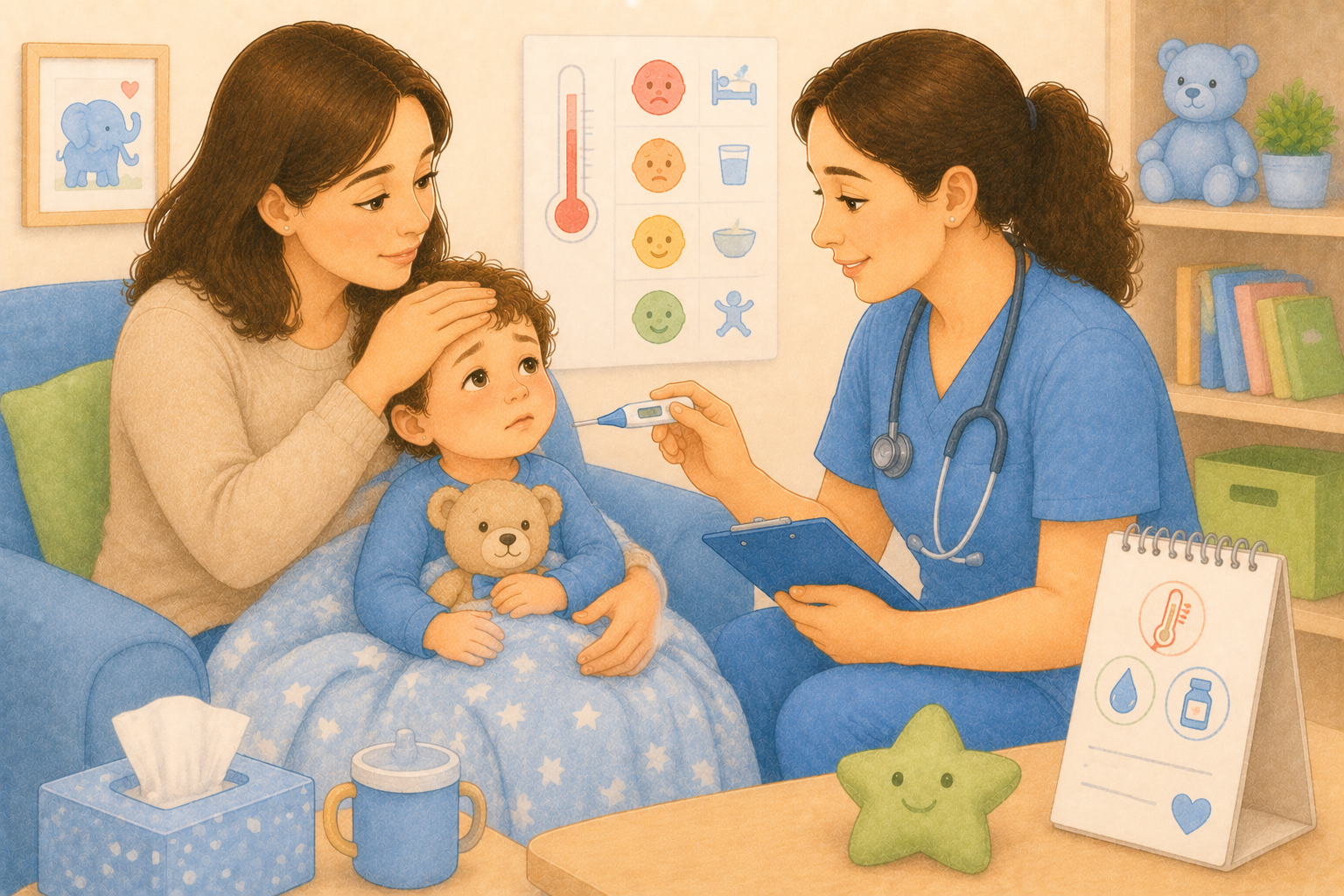
Not all fevers are bad. However, there are some concerning signs and symptoms to watch for when your child's temperature starts to climb. Here's what our team wants you to remember about kids and fevers, and when it's time to see the doctor.
Fevers usually develop as part of your immune system's response to infection. They're uncomfortable, but most aren't dangerous. Depending on your child's age, though, even a seemingly mild rise in body temperature could signal a more serious illness.
Board-certified pediatrician Phani Bodavula, MD, and his team at Garland Pediatric Practice in Garland, Texas, deliver outstanding medical care for children of all ages, from infancy through adolescence. Dr. Bodavula also has a passion for developing lifelong, supportive relationships with his patients and their caregivers.
What should your child's temperature be normally?
Normal body temperature can vary slightly from child to child and may depend on the time of day and activity level. Temperature is usually lower in the morning and higher in the afternoon or evening, but a temp of 98.6°F (37°C) is about average.
A fever occurs when your child's temperature is 100°F or higher per oral thermometer.
Fevers in babies and children are generally related to viral or bacterial infections. Some immunizations can also cause discomfort at the injection site and a low-grade fever. These side effects typically respond well to over-the-counter medication such as acetaminophen (Children's Tylenol).
A few important cautions about medication:
- Never give medicine to a child younger than 6 months without a physician's direction.
- Children and teens with a viral illness shouldn't take aspirin or products containing aspirin. Aspirin use during a viral infection has been linked to Reye's syndrome, a potentially life-threatening condition.
When should you call your child's doctor about a fever?
Dr. Bodavula encourages you to call the Garland Pediatric Practice office whenever you have questions about your child's health, even for a low-grade temperature.
Otherwise, consider your child's age:
- Less than 3 months old: always call if your baby has a rectal temperature of 100.4°F or higher.
- 3–6 months old: call if your baby has a rectal temp of 102°F or above.
- 7–24 months old: contact us if your child has a temperature of 102°F or higher that lasts longer than a day.
- Older children: call the office or schedule a visit for temps of 103°F or above, especially if the fever doesn't respond to fever-reducing medication.
When it's more than a fever
Even low-grade fevers require a doctor's care if your child is also exhibiting other concerning symptoms, such as:
- Unresponsiveness or listlessness
- Skin rash
- Confusion
- Persistent vomiting
- Sore throat
- Difficulty breathing
Also schedule a visit at Garland Pediatric Practice as soon as possible if your child experiences a febrile seizure. Call 911 if the seizure lasts longer than five minutes.
Key takeaways
- A fever is a temperature of 100°F or higher by oral thermometer, and most fevers are an uncomfortable but normal response to infection.
- Never give medicine to a baby under 6 months without a doctor's direction, and avoid aspirin during viral illness because of the risk of Reye's syndrome.
- Age guides when to call: lower temperature thresholds apply to younger babies.
- Seek care for any fever paired with concerning symptoms like listlessness, rash, confusion, persistent vomiting, sore throat, or difficulty breathing.
- Call 911 if a febrile seizure lasts longer than five minutes.
When to call us
Schedule a visit today for more information about caring for your child during a fever. Call the office or request an appointment online. After-hours care is available.