
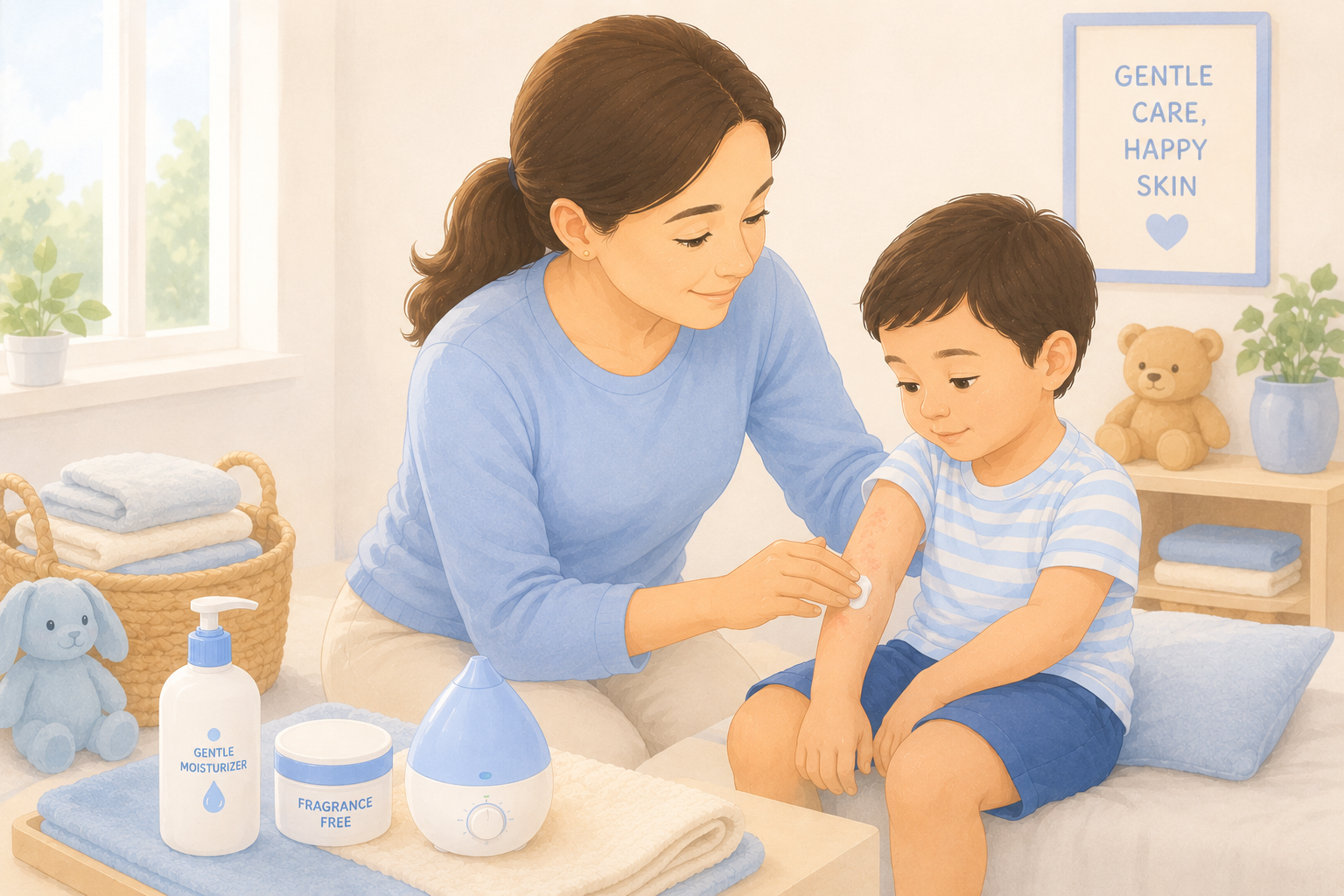
Eczema can develop at any age, but it's widespread in children and typically shows up before age 5. These tips can help you avoid the triggers behind the dry, flaky, itchy skin of childhood eczema.
The American Academy of Dermatology estimates that "25% of children have eczema, which can range from mild to severe." Reducing discomfort related to this itchy skin condition fueled by inflammation includes identifying and avoiding eczema triggers.
Our team at Garland Pediatric Practice in Garland, Texas, led by board-certified pediatrician Dr. Phani Bodavula, offers expert care to children of all ages and is committed to providing the support parents need to navigate childhood medical issues.
Understanding eczema
Childhood eczema (atopic dermatitis) is a skin condition that causes patches of red, dry, and itchy skin. Eczema can appear anywhere on the body but is most common in skin folds around the neck, elbows, and knees.
Infants and teething (drooling) toddlers often develop eczema around the mouth and cheeks. You may also notice small fluid-filled blisters in the affected areas.
Left untreated, the eczematous areas can crack and peel, which, along with intense itching and associated scratching, increases the risk of infection.
Depending on the severity, Dr. Bodavula may prescribe topical ointments, antihistamines, or other medications to treat infection, reduce inflammation, and control itching caused by eczema.
Another critical component of eczema treatment is reducing the risk of flare-ups by identifying and avoiding the things that can trigger or worsen your child's eczema.
Five at-home tips to reduce eczema triggers
Try these tips from the Garland Pediatric Practice team to help prevent eczema flare-ups.
1. Moisturize
Dry skin can make eczema symptoms worse. To keep your child's skin well-hydrated:
- Use a fragrance-free moisturizer regularly, especially right after bathing.
- Look for moisturizers designed for sensitive skin and free from harsh chemicals or fragrances, since these can dry the skin.
2. Identify and avoid obvious eczema triggers
Pay attention to potential triggers that worsen your child's eczema symptoms, as these can vary from individual to individual.
Common triggers include:
- Certain fabrics (like wool or synthetic materials)
- Harsh soaps
- Scented laundry detergents and fabric softener
- Pet dander
- Pollen
- Dust mites
- Excessive sweating
- Hot, dry, or overly humid environments
- Exposure to wind
Try to eliminate or minimize exposure to these triggers as much as possible.
3. Customize your child's bath routine
Choose skin-friendly cleansers that are gentle and hypoallergenic, many of which are designed for eczema. Use lukewarm water for bathing and showering, avoiding hot water and long baths or showers, which can strip the skin of its natural oils.
Patting the skin dry gently with a soft towel afterward helps maintain the moisture boost provided by the bath and helps prevent irritation that can trigger eczema. Be sure to apply moisturizer immediately.
4. Check your laundry routine
Avoid products with fragrances, dyes, and other harsh chemicals that can irritate sensitive skin. When washing your child's clothes and bedding, use a mild detergent and rinse thoroughly to remove any residue.
5. Maintain a comfortable environment
Keep your home environment comfortable and eczema-friendly. Maintain a moderate temperature and humidity level, as extreme temperatures and low humidity can dry out the skin and worsen eczema symptoms.
Consider using a humidifier during the drier months to add moisture to the air, and avoid long days outdoors in windy or dry conditions when possible.
Key takeaways
- Eczema is common in children and usually appears before age 5; managing it means avoiding triggers.
- Moisturize often with a fragrance-free product, especially right after bathing.
- Identify and minimize personal triggers like certain fabrics, harsh soaps, pet dander, pollen, and dust mites.
- Use gentle, hypoallergenic cleansers and lukewarm water, and switch to mild, fragrance-free laundry products.
- Keep a moderate temperature and humidity at home, using a humidifier during drier months.
When to call us
In addition to these tips, we recommend working closely with Dr. Bodavula to develop a comprehensive management plan for eczema.