
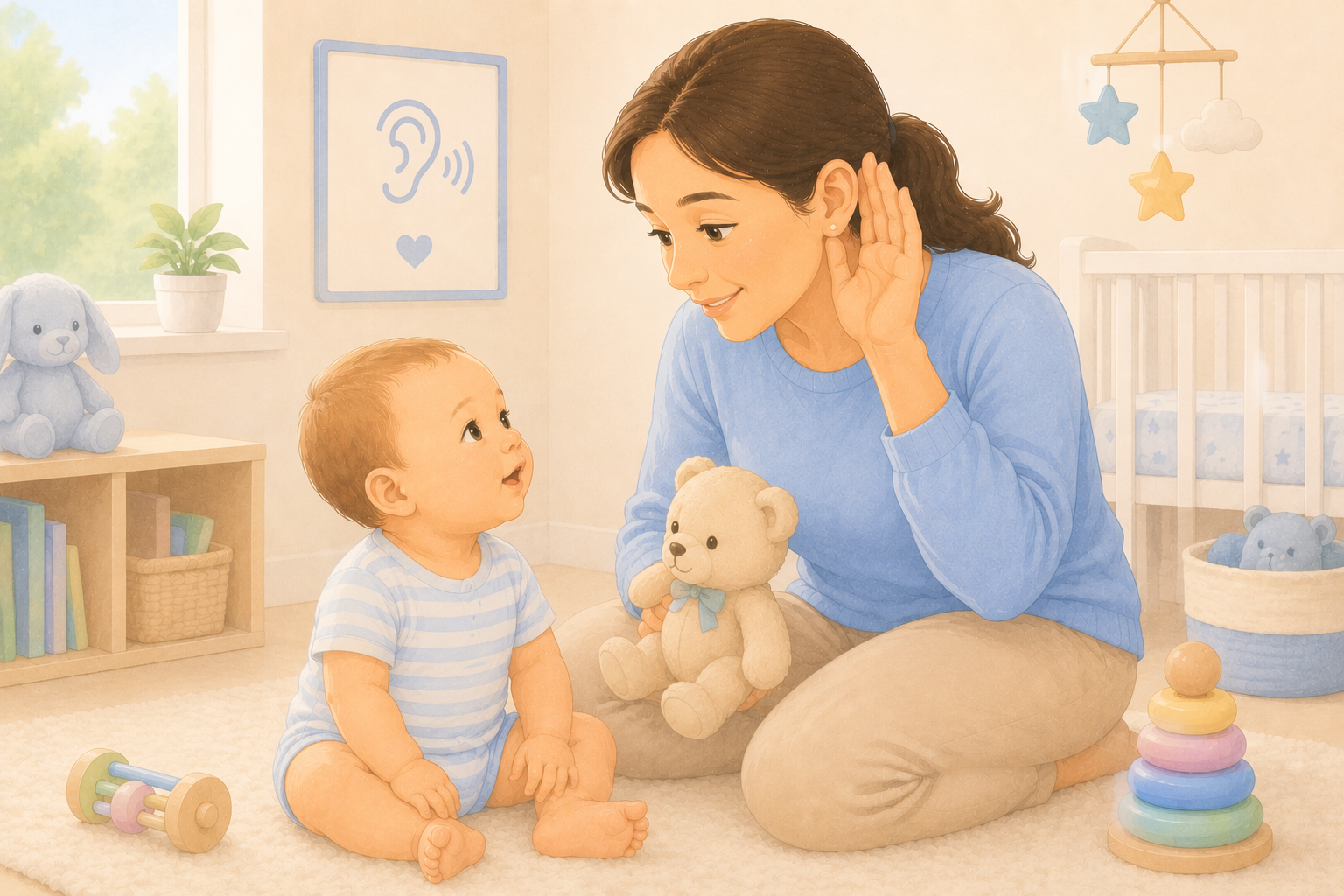
Your baby can't tell you or even recognize they're having problems hearing. However, you can watch for signs that may indicate a hearing problem. Read these tips from our team about recognizing hearing issues in babies.
While hearing loss in infants may not always be immediately apparent, early detection is crucial for interventions that can positively impact a child's development.
Board-certified pediatrician Phani Bodavula, MD, FAAP, and our team at Garland Pediatric Practice in Garland, Texas, offer expert care for newborns through adolescence, including hearing and vision screening. We're also here to provide guidance and support as you navigate the intricacies of parenting, and we're happy to share information about cues that may point to a hearing problem.
Signs that may indicate your baby is having difficulty hearing
These signs may indicate a hearing problem in babies.
Lack of startle reflex
Most newborns have a natural startle reflex in response to sudden noises. Called the Moro reflex, this automatic reaction causes your baby to throw their head back, reach out with their arms and legs, and then draw them back toward the body.
Dr. Bodavula checks for a startle reflex during your newborn's health checkups. If your baby doesn't react to noise, it could be a sign they're not hearing well.
Limited response to sounds
One of the earliest signs of hearing issues in babies is a lack of response to sounds. Every baby is different, but most infants react in some way to sudden noises or familiar voices.
Inconsistent reaction to your voice
It's natural for babies to be more responsive at certain times than others, but consistently ignoring your voice or failing to turn toward you when you speak could indicate a problem. If your baby struggles to hear, they may need to see you before responding to your voice.
Difficulty locating sounds
Babies without hearing difficulties often turn their heads or otherwise show they're trying to locate a sound source. If your baby seems oblivious to the direction of sounds or consistently looks in the wrong direction when you make a noise, it might be a sign of hearing problems.
Unresponsiveness to quiet sounds
Paying attention to your baby's reaction to softer sounds is equally important. If your baby consistently fails to react to quieter sounds, such as a soothing lullaby, it could indicate issues with hearing sensitivity.
Excessive fussiness or irritability
If your baby seems unusually irritable or fussy, especially when there's background noise as you're trying to communicate with them, it's worth considering a hearing evaluation.
Medical history
Your baby may be at higher risk of hearing issues if they:
- Have a family history of hearing loss
- Were born prematurely
- Experienced complications at birth
In such cases, it's critical to be vigilant for signs of hearing difficulty and to discuss any concerns with Dr. Bodavula.
Delayed speech and language development
Hearing plays a crucial role in speech and language development. Babies begin imitating words and other simple sounds as early as 4-6 months. If your little one has a hearing issue, they may not babble as much as others and might have difficulty imitating sounds such as "ba-ba."
Babies also typically enjoy engaging in "conversation" with their caregivers through babbling and cooing. If your baby isn't interested in making sounds or doesn't seem to progress according to hearing milestones, it's worth investigating further.
Remember, every child develops at their own pace, but being proactive about potential hearing issues can ensure your baby gets the support they need to thrive. We're here to help.
Key takeaways
- Babies can't recognize their own hearing problems, so watching for signs and detecting issues early is important for development.
- Possible signs include a missing startle reflex, limited or inconsistent response to sounds and your voice, and trouble locating where sounds come from.
- Unresponsiveness to quiet sounds and excessive fussiness around background noise can also point to a hearing concern.
- A family history of hearing loss, premature birth, or complications at birth raises the risk.
- Delayed babbling and difficulty imitating sounds may signal a hearing issue affecting speech and language development.
When to call us
If you notice any of these signs or have concerns about your baby's hearing, schedule a visit at Garland Pediatric Practice today. Call the office or request an appointment online.