
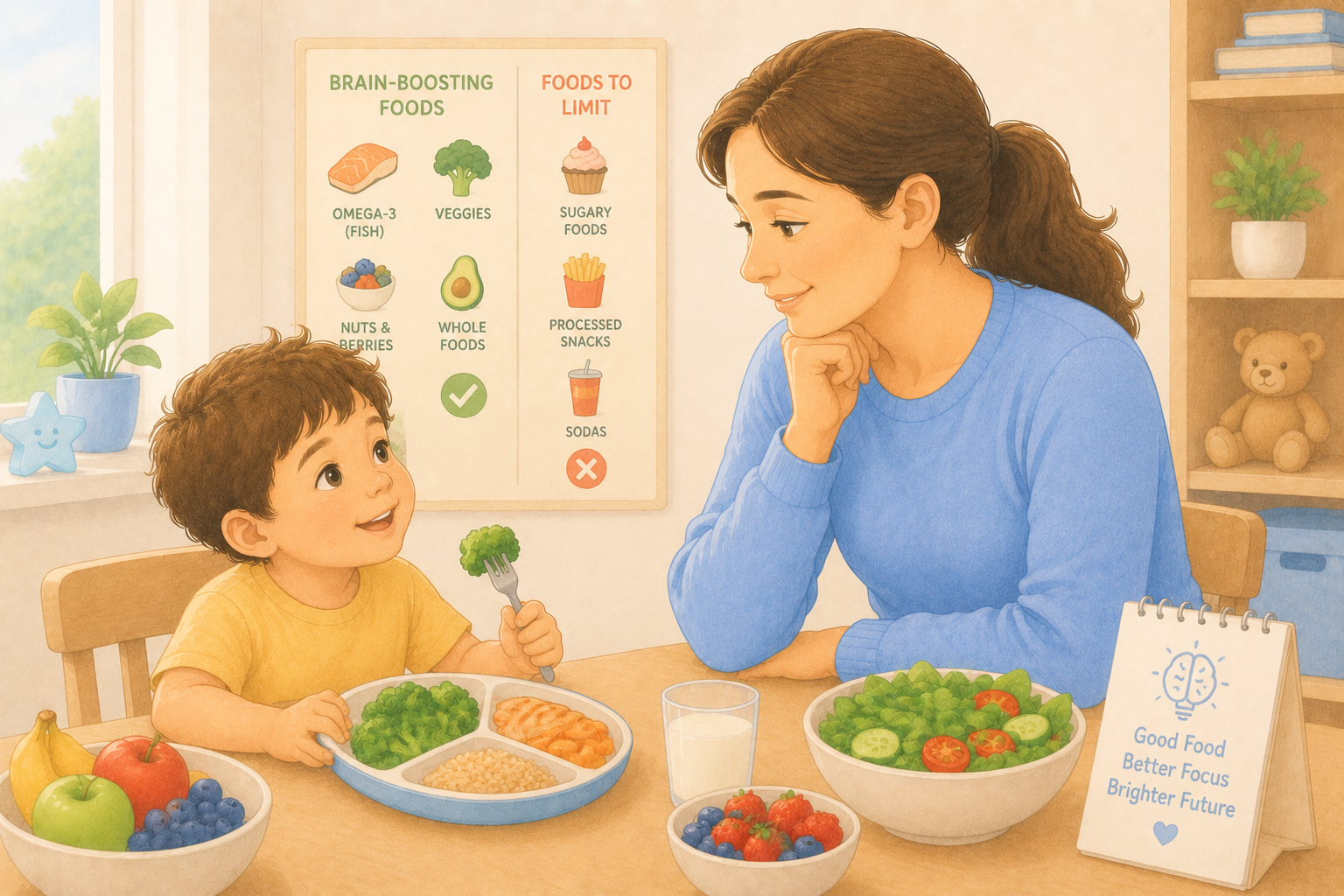
Getting your kids to stick with a nutritional diet can be tricky, especially when you're trying to help them overcome the challenges of ADHD. Research continues, but there are indicators that the results may be well worth the effort.
Attention-deficit/hyperactivity disorder (ADHD) is a neurodevelopmental disorder that affects millions of children in the United States. Comprehensive treatment strategies are beneficial in managing it, and your child's plan may include medication, behavior therapy, education services, and parental skills training. Increasingly, though, researchers have also focused on the role of diet in ADHD management.
At Garland Pediatric Practice in Garland, Texas, board-certified pediatrician Dr. Phani Bodavula and his team partner with parents and educators to support children experiencing the challenges of ADHD.
ADHD and diet
The exact cause of ADHD remains elusive. Potential factors include genetics and exposure to environmental toxins during pregnancy. Researchers have also investigated the role of diet, but results are thus far inconclusive in linking certain foods or food additives to developing ADHD.
However, certain dietary influences and habits can exacerbate ADHD symptoms.
Excess sugar intake
While sugar can cause a burst of energy in many kids, there's limited scientific evidence linking it directly to ADHD symptoms. That said, a high-sugar diet with excess empty carbs like cookies and cakes can lead to blood sugar fluctuations, which might affect the mood and energy levels associated with ADHD.
Allergies or food sensitivities
Some children might have undiagnosed food allergies or sensitivities that could aggravate ADHD symptoms. Common culprits include:
- Dairy
- Gluten
- Certain artificial additives
Vitamin and mineral deficiencies
Recent research indicated that "vitamin A, D, and omega-3 fatty acid deficiencies may also contribute to ADHD symptoms." Some children with ADHD also have reduced levels of micronutrients like zinc, copper, iron, magnesium, and selenium.
Finding the right balance
While research is inconclusive about specific foods or food groups contributing to ADHD, poor dietary patterns can sometimes worsen ADHD symptoms.
Studies indicate an increased incidence of ADHD in populations indulging in a Western diet of highly processed, fatty, sugary foods. Conversely, ADHD incidence is lower in areas where diets are rich in healthy fats, lean proteins, whole grains, fresh fruits, and vegetables.
Although diet can't be identified as the cause of ADHD or a stand-alone treatment, there's evidence that healthy, balanced nutrition combined with other therapies can contribute to successfully managing ADHD.
Which diet is best for ADHD?
Because children require a balanced diet to develop healthy bones, muscles, and brains, Dr. Bodavula recommends scheduling a consultation before making significant changes in your child's diet.
Generally, healthy diets include a variety of whole grains, fruits and vegetables, lean proteins, low-fat dairy, and other nutrient-dense foods. A few practical swaps can help:
- Check nutrition labels on prepackaged foods and limit those with added sugars (corn sweetener, corn syrup).
- Select low-sodium products and use vegetable or nut oils to replace saturated fats when cooking.
- If your child drinks fruit juice, use 100% fruit with no added sugars.
- Offer fruit, nuts, or popcorn for snack time rather than chips or cookies.
- Try yogurt to replace ice cream, or oatmeal with fresh fruit rather than sugary breakfast cereals.
If your child is older and used to salty, sugary snacks and fast food, make changes gradually to encourage their participation. Fortunately, younger children may never miss prepackaged treats if they start toddlerhood on a healthy diet.
Key takeaways
- Diet has not been proven to cause ADHD, and it isn't a stand-alone treatment.
- Excess sugar, undiagnosed food sensitivities, and certain vitamin or mineral deficiencies can exacerbate symptoms.
- A Western diet is linked to higher ADHD incidence, while whole, nutrient-dense diets are linked to lower incidence.
- Balanced nutrition combined with other therapies can support successful ADHD management.
- Diet might play a role for some children, but it's not a one-size-fits-all solution.
When to call us
Schedule an evaluation with Dr. Bodavula at Garland Pediatric Practice today for a comprehensive treatment strategy.