
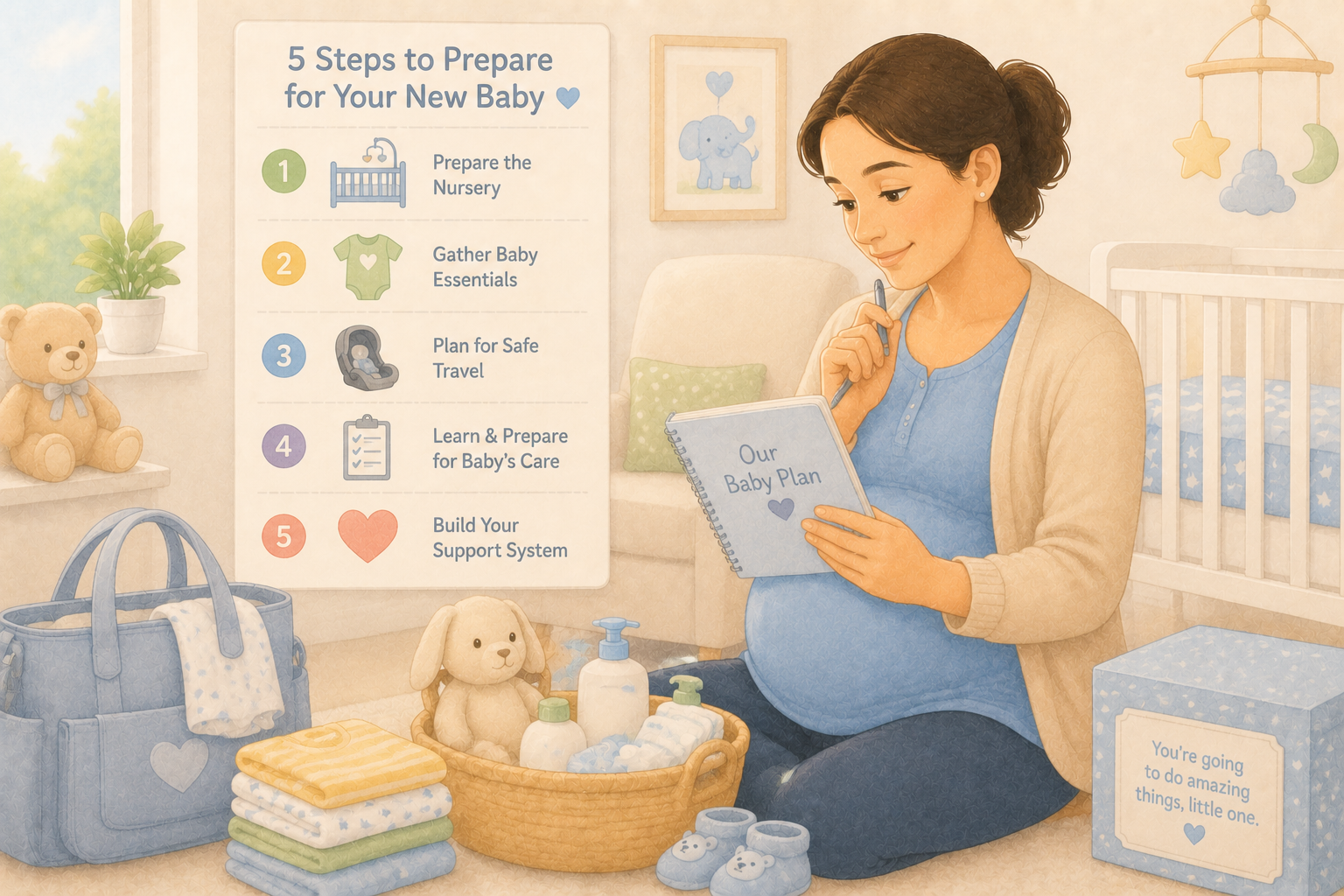
After months of pregnancy, bringing home your baby is an amazing event that signals a new phase in life — parenting. You can't prepare for everything that comes your way as a parent, but you can do much to get ready for your new baby.
Preparing emotionally and practically for the day your newest family member comes home is essential as the countdown to delivery begins. Whether you're a first-time parent or have gone through the process before, some foundational steps can make the transition smoother.
Board-certified pediatrician Dr. Phani Bodavula and his team at Garland Pediatric Practice in Garland, Texas, specialize in partnering with parents to support the health and wellness of children from infancy through adolescence. Here are five tips from our team about preparing for your newest family member.
1. Maintain a healthy pregnancy and check the facts
Regular prenatal care is crucial to ensuring the health of both mom and baby. During routine checkups, your obstetrician monitors the baby's growth, screens for potential complications, and addresses any concerns you might have.
Childbirth and parenting classes offer a wealth of information about labor, delivery, breastfeeding, and infant care. Reading books and reputable online resources can also help prepare you for what's coming.
2. Set up the nursery
- Select a sturdy crib that meets current safety standards.
- When choosing bedding, use fitted sheets while avoiding large, soft blankets or placing toys in the crib to reduce the risk of sudden infant death syndrome (SIDS).
- Organize a changing station with clean diapers, wipes, clothes, and other essentials.
- Consider adding a comfy rocker for those late-night feeds.
- Whether you choose to breastfeed or use formula, have all necessary items on hand, such as a breast pump, bottles, or formula.
If you're sprucing up the space, use nontoxic, zero-VOC paint for the walls, and be sure to paint the nursery a couple of months before the new baby arrives.
3. Stock up on essentials
Babies grow quickly, so plan ahead for their changing needs:
- Clothing: Have a variety of sizes on hand and consider practicality over fashion. Onesies, soft pajamas, and swaddle blankets are must-haves.
- Diapers: Whether using cloth or disposable, have a stockpile ready since "newborns average 8-10 diaper changes daily." If you've got a baby shower planned, consider putting diapers on the gift list. Don't forget the wipes and a suitable diaper rash cream.
- Bath and grooming: Stock up on mild baby soaps and lotions. You also need a thermometer, soft hairbrush, and infant-friendly nail clippers.
4. Consider transportation needs and safety measures
Infant car seats are required by law, and most are designed to adapt as your child grows into toddlerhood and beyond. Hospitals check to see that you have a properly installed car seat suitable for newborns before allowing you to take your baby home.
It might be a while before your baby is mobile, but baby-proof your home early. Put yourself in the mindset of a crawling infant or curious toddler:
- Cover sharp corners
- Install cabinet locks
- Secure dangling cords
- Block stairwells
- Establish other safety measures to prevent injury
5. Establish a reliable support system
Talk with your partner or co-parent about roles and expectations after the baby arrives. Who handles nighttime feedings? Who changes diapers? Understanding and planning ahead can help reduce stress.
Whether it's family, friends, or hiring outside assistance, plan for additional help, especially during the first few weeks. Taking breaks, catching up on sleep, or simply having someone to talk to can be invaluable.
And while you're at it, choose your pediatrician well before the baby arrives. "The American Academy of Pediatrics recommends your newborn see the pediatrician within 3-5 days of birth."
Key takeaways
- Keep up with regular prenatal care and learn what to expect through childbirth and parenting classes.
- Set up a safe nursery with a sturdy, standards-compliant crib and SIDS-safe bedding.
- Stock up on clothing in varied sizes, plenty of diapers and wipes, and basic bath and grooming items.
- Install a proper infant car seat and baby-proof your home early.
- Plan your support system and choose a pediatrician before your baby arrives.
When to call us
Our team is always happy to answer your questions, discuss Dr. Bodavula's commitment to your child's health, and explain our services at Garland Pediatric Practice.